
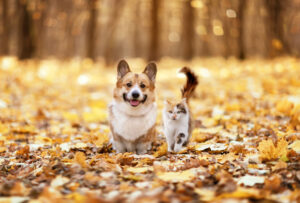
Transitioning your pets from the warm days of summer to the crisp, darker days of fall and winter requires a few adjustments to keep them safe, comfortable, and healthy. As routines shift, daylight shortens, and temperatures drop, here is a complete guide to preparing your dogs and cats for the changing seasons.
1. Safety & Visibility During Darker Walks
With daylight saving time ending and days getting shorter, evening walks will quickly happen in dusk or complete darkness.
Gear Up with Reflectives: Equip your dog with a reflective harness, leash, or collar. Attaching a small LED clip-on light to their collar or wearing a headlamp yourself ensures drivers and cyclists can see you both from a distance.
Stay Alert on Routes: Low visibility makes it harder to spot hazards on sidewalks or trails. Keep your dog on a shorter leash in high-traffic or poorly lit areas.
2. Autumn & Winter Environmental Hazards
Cooler weather brings unique outdoor hazards that pet parents should keep an eye out for during outdoor play and neighborhood walks.
Wild Mushrooms: Autumn rains bring a surge of mushroom growth in yards, parks, and trails. Many wild mushrooms are highly toxic to pets and difficult to distinguish from harmless varieties. Keep a close eye on your dog during walks, and practice a reliable “leave it” command.
Rodenticides & Antifreeze: As rodents seek warmth indoors, pest control use increases. Ensure your yard is free of rodent poisons, which are lethal to pets. Additionally, check driveway puddles for spilled antifreeze (ethylene glycol), which has a sweet taste that attracts animals but is extremely toxic even in tiny amounts.
Toxic Fall Plants: Common autumn plants like autumn crocus, chrysanthemums, and decorative acorns or pinecones can cause severe gastrointestinal distress if ingested.
3. Paw Care & Cold Weather Protection
Colder air, chilly pavement, and eventually winter ice-melt chemicals can take a toll on delicate paw pads.
Protect and Hydrate Paws: Apply a pet-safe paw balm before and after walks to prevent dry, cracked pads.
Wipe Down After Walks: Always wipe your dog’s paws and belly after a stroll to remove salt, de-icing chemicals, and damp mud.
Adjust for Temperature: Short-haired breeds, senior pets, and small dogs feel the cold much faster. Consider a well-fitted, comfortable fleece or sweater for outdoor trips when temperatures drop.
4. Indoor Comfort & Joint Care
Just like humans, pets tend to slow down and seek cozy spots when the weather turns cool.
Address Joint Stiffness: Cold, damp weather can aggravate arthritis and joint stiffness, especially in senior dogs and cats. Provide supportive orthopedic bedding away from drafty doors or windows.
Create Warm Nooks: Make sure indoor cats have access to warm, elevated spots or sunny window perches where they can nap comfortably out of cold drafts.
5. Adjusting Caloric Intake & Mental Stimulation
Activity levels often change as daylight decreases and outdoor time shortens.
Monitor Daily Calories: If your dog spends less time running outdoors during winter, adjust their daily food portions slightly to prevent seasonal weight gain. Conversely, working or high-energy dogs who spend significant time outside in the cold burn more energy staying warm and may need a modest caloric boost.
Beat Indoor Boredom: When bad weather keeps you inside, keep your pet’s mind active with enrichment puzzle toys, lick mats, hide-and-seek games, or short indoor training sessions.